
Stories Behind Every Creation
Discover inspiring blogs filled with creative tips, ideas, and artistic guidance every day.
Latest articles
DIY Basics
Beginner Tips for DIY Craft Projects
DIY craft projects are a wonderful way to explore creativity, relax your mind, and create something unique with your own hands. For beginners, the process may seem confusing at first, but with the right approach, crafting can quickly become a fun and rewarding habit. You do not need to be an expert to start. All you need is curiosity, patience, and a few helpful tips to guide you.
Start With Simple Projects
When you are new to DIY crafting, always begin with easy projects. Avoid complex designs that require advanced skills. Start with things like paper crafts, greeting cards, or simple home decorations. Small projects help you build confidence and understand basic techniques without feeling overwhelmed.
Gather Basic Supplies
You do not need expensive materials to begin your crafting journey. Basic supplies like scissors, glue, colored paper, markers, and tape are enough for most beginner projects. As you gain experience, you can slowly add more advanced tools and materials to your collection.
Follow Step by Step Instructions
For beginners, following clear instructions is very important. Look for tutorials or guides that explain each step in detail. This helps you understand the process better and reduces mistakes. Over time, you will start creating your own ideas without depending heavily on instructions.
Keep Your Workspace Organized
A clean and organized workspace makes crafting easier and more enjoyable. Keep your tools in one place so you can find them quickly. This also helps you stay focused and reduces distractions while working on your projects.
Practice Patience
DIY crafting is not about rushing. Some projects may take time and may not turn out perfect on the first try. That is completely normal. Patience is key to improving your skills and enjoying the process of learning.
Experiment and Explore
Once you feel comfortable with basic projects, start experimenting with different styles and materials. Try mixing colors, using new textures, or combining different craft techniques. Experimentation helps you discover your personal creative style.
Learn From Mistakes
Mistakes are a natural part of any creative process. Instead of feeling disappointed, use them as learning opportunities. Each mistake teaches you something new and helps you improve your future projects.
Get Inspired
Look for inspiration in everyday life. Nature, colors, objects, and even online platforms can give you new ideas. Watching other creators or browsing craft blogs can also help you stay motivated.
Beginner DIY craft projects are all about enjoying the process rather than focusing on perfection. Start small, stay consistent, and allow yourself to learn step by step. With practice and creativity, you will soon be able to create beautiful handmade items that reflect your personality and imagination. Crafting is not just a hobby, it is a journey of self expression that grows with every project you complete.
Read more
Craft Kits
Essential Craft Kits for Every Artist
Crafting is one of the most enjoyable and expressive forms of creativity. Whether you are a beginner or an experienced artist, having the right craft kits can make your creative journey easier and more exciting. Craft kits are specially designed sets that include all the basic materials needed for different types of projects. They save time, reduce confusion, and help you focus more on creating beautiful artwork.
Why Craft Kits Are Important
Craft kits are perfect for anyone who wants to start creating without worrying about collecting individual supplies. They offer a complete package of tools and materials in one place. This makes them ideal for beginners who are still exploring their interests. Even experienced artists use craft kits for convenience and inspiration.
Paper Craft Kits
Paper craft kits are among the most popular choices. They usually include colored papers, scissors, glue, stickers, and decorative items. These kits are great for making greeting cards, scrapbooks, and DIY decorations. Paper crafting helps improve creativity and fine motor skills while allowing endless design possibilities.
Painting Craft Kits
Painting kits are perfect for those who love colors and brushes. They typically include paints, brushes, palettes, and sometimes small canvases. These kits help beginners learn basic painting techniques and color mixing. They are also great for practice and experimenting with different styles.
DIY Craft Kits
DIY craft kits are designed for fun and hands-on creativity. They often include materials for making small projects like photo frames, decorative items, or handmade gifts. These kits encourage imagination and help artists create unique personalized items.
Kids Craft Kits
Craft kits for kids are simple, safe, and colorful. They are designed to introduce children to creativity in an enjoyable way. These kits often include easy instructions and non-toxic materials. They help improve focus, creativity, and hand coordination in young learners.
Advanced Craft Kits
For more experienced artists, advanced craft kits offer detailed projects and high quality materials. These kits may include embroidery sets, resin art supplies, or clay modeling tools. They allow artists to explore new techniques and improve their skills.
Benefits of Using Craft Kits
Craft kits save time and effort because everything is pre-arranged. They also reduce the stress of choosing individual items. Most importantly, they inspire creativity by providing ready to use ideas and materials. This makes crafting more enjoyable and accessible for everyone.
Essential craft kits are a great way to explore creativity without complexity. They are suitable for all age groups and skill levels. Whether you enjoy painting, paper crafts, or DIY projects, there is a kit designed for you. Start with simple kits and gradually move to advanced ones as your skills grow. With the right craft kit, every artist can enjoy a smooth and inspiring creative journey.
Read more
Painting Tools
Best Painting Tools for Stunning Artwork
Creating stunning artwork is not only about talent but also about using the right painting tools. Whether you are a beginner or an experienced artist, having the proper supplies can greatly improve your results. Good tools help you control your strokes, blend colors smoothly, and bring your imagination to life. In this guide, you will discover the best painting tools that every artist should consider for beautiful and professional looking artwork.
Quality Paints
Paint is the heart of any artwork. Choosing high quality paints makes a huge difference in color brightness and durability. Acrylic paints are great for beginners because they dry quickly and are easy to use. Watercolors are perfect for soft and delicate effects, while oil paints are ideal for rich and detailed artwork. Start with basic colors and gradually expand your palette as you improve.
Variety of Brushes
Brushes are one of the most important tools for painting. Different brush shapes and sizes help you create different effects. Flat brushes are good for bold strokes, round brushes are perfect for details, and fine liner brushes help with precision work. Always choose brushes with soft bristles and a comfortable grip for better control.
Painting Surfaces
The surface you paint on plays a key role in the final result. Canvas is the most popular choice for painting because it holds paint well and gives a professional finish. For beginners, thick textured paper is also a good option. Make sure the surface matches the type of paint you are using for the best outcome.
Palette for Mixing Colors
A palette helps you mix and experiment with colors before applying them to your artwork. It can be made of plastic, wood, or glass. A clean and organized palette allows you to create new shades and improve your understanding of color combinations.
Easel for Support
An easel provides stability and comfort while painting. It holds your canvas at a good angle, helping you work more easily and avoid strain. Whether you are working indoors or outdoors, an easel improves your painting experience.
Water Containers and Cloth
Simple tools like water containers and cloth pieces are essential for cleaning brushes and controlling paint consistency. Clean tools help maintain color purity and improve the quality of your artwork.
Sketching Tools
Before painting, many artists create rough sketches using pencils. Sketching helps you plan your composition and avoid mistakes. A good set of pencils and erasers is very useful for this stage.
Using the right painting tools can transform your creative experience. They not only improve the quality of your artwork but also make the process more enjoyable. Start with basic supplies, practice regularly, and explore different techniques. As you grow, you can upgrade your tools and refine your style. With the right tools in hand, creating stunning artwork becomes a joyful and rewarding journey.
Getting Started
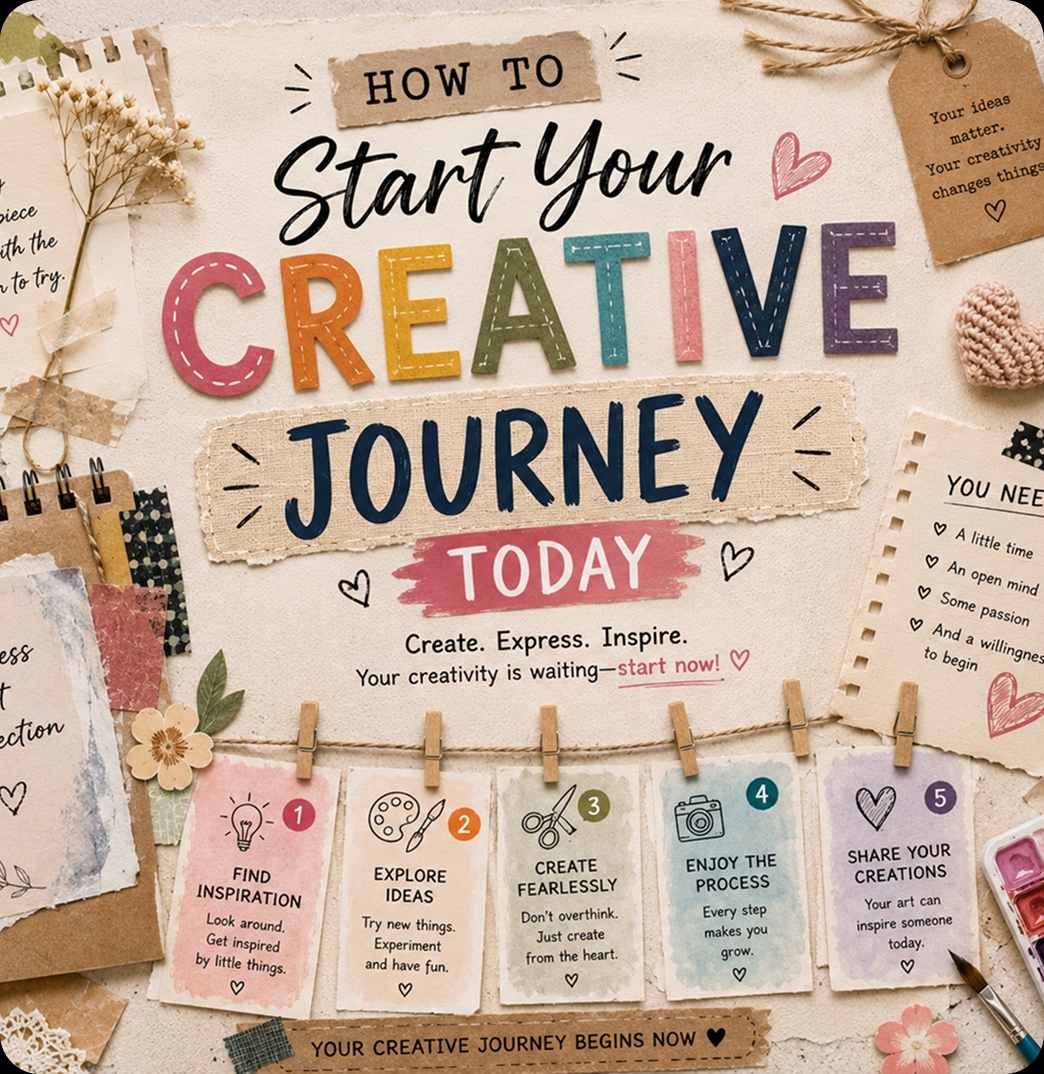
How to Start Your Creative Journey Today
Starting your creative journey can feel exciting, but also a little overwhelming if you do not know where to begin. Many people believe they need special talent or expensive tools, but the truth is creativity starts with simple steps and a willingness to explore. If you have ever wanted to draw, paint, craft, or design, today is the perfect day to begin.
Start With What You Have
You do not need a full studio to get started. Look around your home and use what is already available. A simple pencil, paper, scissors, or even old magazines can become powerful tools for creativity. The goal is to start practicing, not to achieve perfection.
Explore Your Interests
Creativity is personal. Some people enjoy painting, while others prefer crafting, sketching, or DIY projects. Try different activities to discover what excites you the most. Do not be afraid to experiment because every attempt helps you learn more about your style.
Keep It Simple
Many beginners stop because they think their work is not good enough. Instead of focusing on complex projects, start small. Draw basic shapes, create simple crafts, or try easy coloring exercises. Small wins build confidence and keep you motivated.
Set Aside Creative Time
Consistency is important when building a creative habit. Even 15 to 20 minutes a day can make a big difference. Choose a time that works best for you, whether it is morning, afternoon, or night, and make creativity a part of your routine.
Learn and Get Inspired
There are many ways to learn new ideas. You can watch tutorials, read blogs, or follow artists online. Inspiration is everywhere, from nature to daily life. Observing details around you can spark new ideas for your creative work.
Do Not Fear Mistakes
Mistakes are a natural part of learning. Every artist starts somewhere, and no one creates perfect work from the beginning. Instead of feeling discouraged, treat mistakes as lessons that help you improve your skills over time.
Use Basic Tools First
You do not need expensive supplies to begin. Start with basic tools like pencils, sketchbooks, paints, or simple craft materials. As you grow more confident, you can slowly upgrade your tools based on your interests.
Share Your Work
Sharing your creations with friends or family can be encouraging. It helps you receive feedback and builds confidence. You can also join creative communities online to connect with other beginners.
Starting your creative journey is all about taking the first step. You do not need to wait for the perfect moment or perfect tools. Begin with what you have, stay consistent, and enjoy the process. Creativity grows with practice, patience, and passion. The most important part is to start today and let your imagination lead the way.
Buying Guide
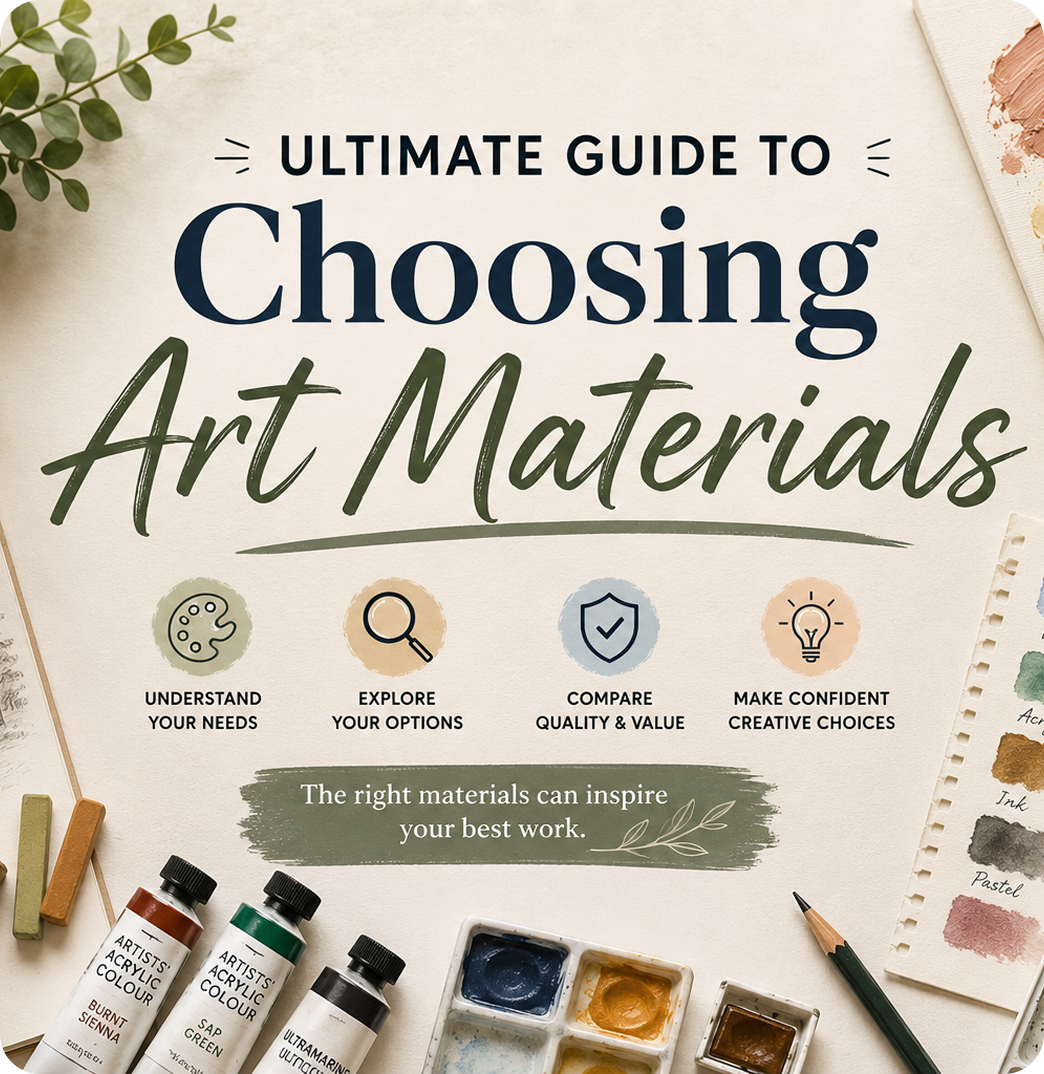
Ultimate Guide to Choosing Art Materials
Choosing the right art materials is one of the most important steps in any creative journey. Whether you are a beginner or someone improving your skills, the materials you use can greatly influence your results. Good quality tools not only make your work easier but also help you express your ideas more clearly. This guide will help you understand how to choose the best art materials for your needs.
Understand Your Art Style
Before buying any supplies, think about what type of art you enjoy. Are you into painting, sketching, crafting, or mixed media work? Each style requires different tools. For example, painters need brushes, paints, and canvases, while sketch artists need pencils, erasers, and drawing paper. Knowing your style helps you avoid unnecessary purchases and focus on what truly matters.
Choose Quality Over Quantity
Many beginners make the mistake of buying too many cheap supplies. Instead, it is better to invest in a few high quality items. Good materials give smoother results, last longer, and improve your overall experience. A single quality brush or paint set can perform better than a large set of low quality tools.
Pick the Right Paper or Surface
The surface you work on plays a big role in your artwork. For painting, choose canvas or thick textured paper. For sketching, smooth drawing paper works best. If you are into crafts, consider cardstock or specialty craft sheets. Always match your surface with your medium for better results.
Select Suitable Colors
Colors bring life to your creativity. Beginners should start with basic primary colors so they can learn how to mix shades. As you grow, you can explore advanced color palettes. Whether it is watercolor, acrylic, or oil paint, choose a medium that suits your comfort level.
Invest in Reliable Tools
Tools like brushes, pencils, rulers, and cutters are essential in every artist’s kit. Always choose tools that feel comfortable in your hand. Ergonomic design and durability matter a lot when you are working on long creative sessions.
Consider Your Budget
Art does not have to be expensive. There are many affordable materials that still offer great quality. Set a budget before you shop and look for the best options within that range. Gradually, you can upgrade your supplies as your skills improve.
Test Before You Buy
Whenever possible, test materials before purchasing. Many art stores allow you to try samples. This helps you understand texture, color quality, and usability.
Choosing the right art materials is about balance. You need quality, comfort, and suitability for your creative style. Start simple, explore different tools, and gradually build your collection. With the right materials, your imagination can turn into beautiful artwork more easily and confidently.
Beginner Essentials
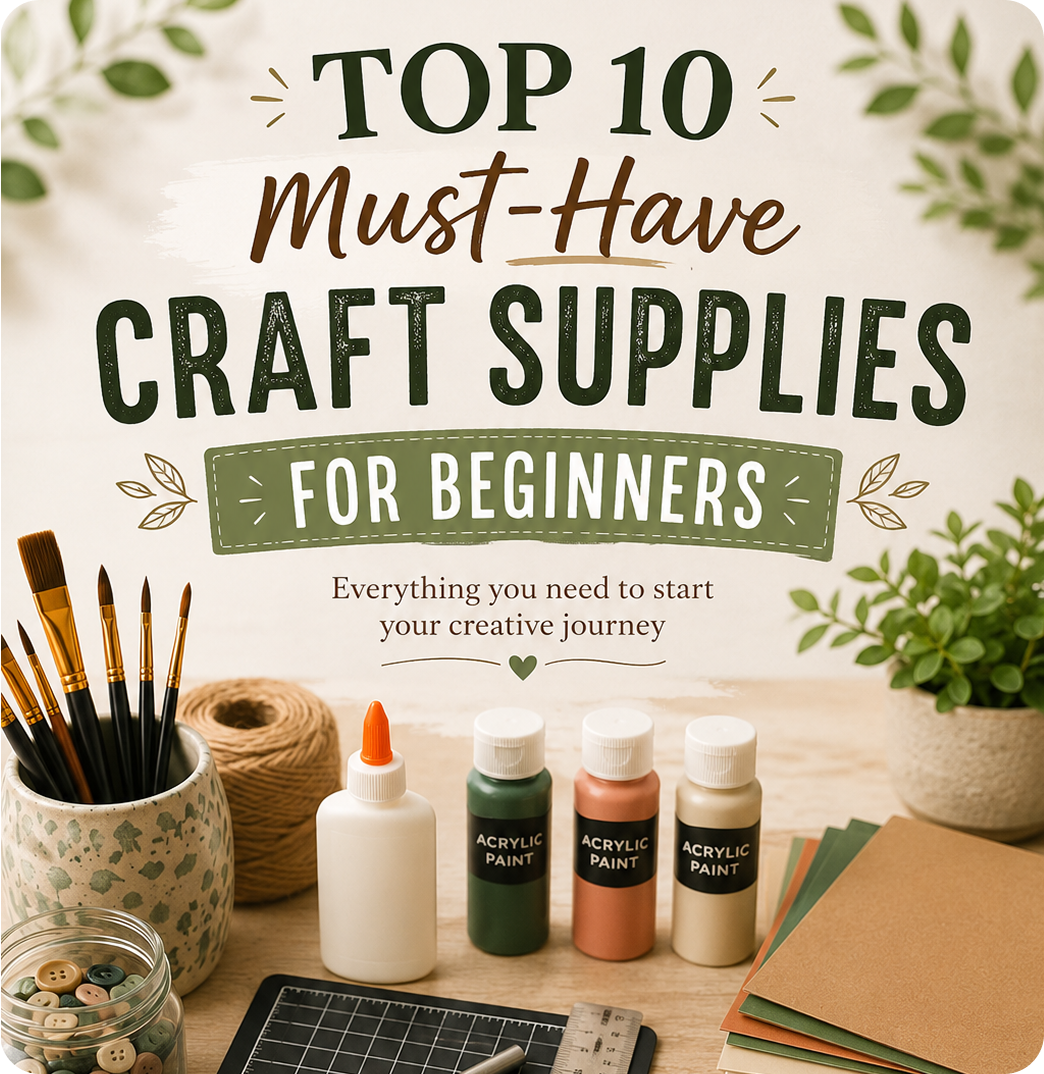
Top 10 Must-Have Craft Supplies for Beginners
Starting your creative journey in crafting can feel exciting but also a little confusing. With so many tools and materials available, beginners often wonder what they really need to get started. The good news is you do not need everything at once. A simple, well-chosen set of craft supplies is enough to begin exploring your creativity with confidence. Here are the top 10 must-have craft supplies for beginners that will help you build a strong foundation.
1. Basic Scissors
A good pair of scissors is essential for almost every craft project. Whether you are cutting paper, fabric, or ribbon, sharp and comfortable scissors make your work easier and more precise.
2. Craft Glue
Glue is a core supply for joining materials together. A strong craft glue or glue stick helps you assemble projects neatly without mess.
3. Colored Paper
Colored paper adds life to your creations. It is perfect for origami, card making, scrapbooking, and many DIY projects.
4. Paint Set
A basic paint set with primary colors is a great starting point. You can mix colors to create endless shades and bring your artwork to life.
5. Paint Brushes
Different brush sizes allow you to experiment with strokes, textures, and details. Soft brushes are great for beginners to learn control.
6. Sketch Pencils
Sketch pencils help you outline your ideas before painting or crafting. They are perfect for planning and drawing rough designs.
7. Eraser
Mistakes are part of learning. A good quality eraser helps you correct sketches easily without damaging the paper.
8. Ruler
A ruler is useful for measuring, drawing straight lines, and creating structured designs. It adds accuracy to your craft projects.
9. Craft Knife or Cutter
A craft knife helps in detailed cutting work where scissors cannot reach. Beginners should use it carefully with proper cutting mats.
10. Decorative Items
Items like stickers, beads, glitter, and ribbons add charm and personality to your crafts. These small details make your projects stand out.
Starting with these basic craft supplies allows beginners to explore different creative ideas without feeling overwhelmed. As you gain experience, you can slowly expand your toolkit based on your interests. Crafting is all about experimenting, learning, and enjoying the process. With the right supplies in hand, every beginner can turn simple ideas into beautiful creations.